If you run a UK small business with employees, the Employment Rights Act 2025 is the biggest change to employment law in a generation. It does not just add new rules. It changes when the rules start to apply: protections that used to take two years to accrue now arrive far sooner, and some apply from day one.
This guide covers what that means in practice and what to put in place, in plain English.
What actually changes
Three changes matter most for small employers:
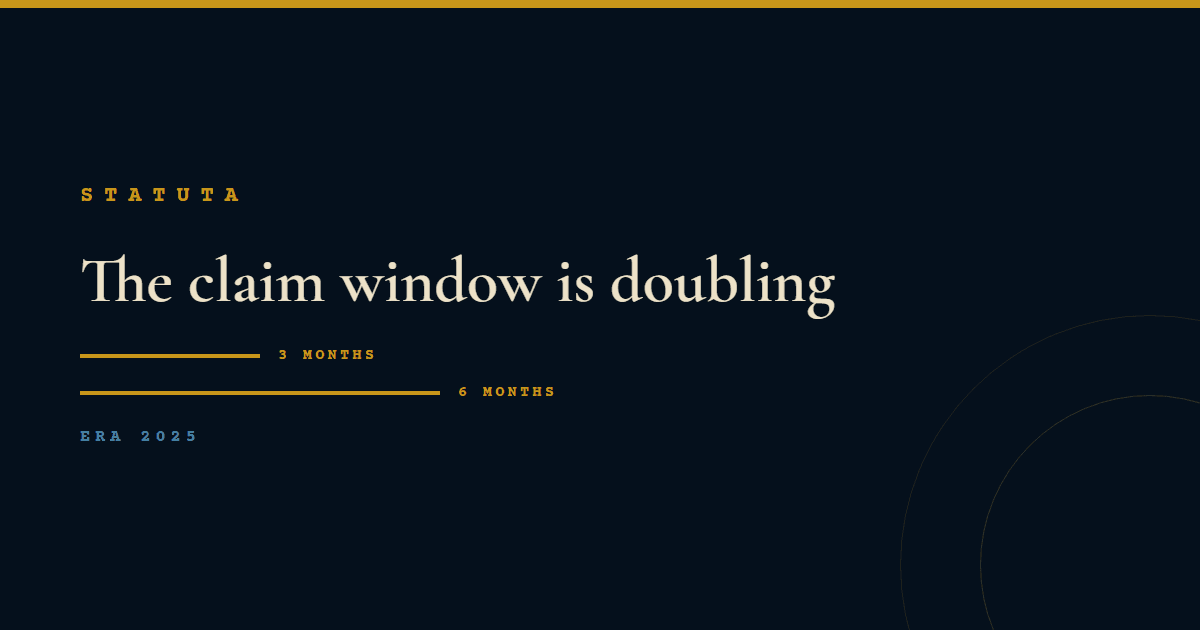
- A shorter qualifying period for unfair dismissal. From January 2027, the qualifying period for unfair dismissal drops from 2 years to 6 months. Combined with the removal of the cap on compensatory awards, that means far more of your staff can bring a claim, for more money, far sooner than before.
- Guaranteed hours. Workers on zero-hours or irregular contracts gain the right to a contract reflecting the hours they actually work, measured over a reference period.
- Statutory sick pay from day one. The waiting days go, and SSP extends to lower earners who were previously excluded.
The pattern across the whole Act: rights arrive earlier, apply to more people, and depend more heavily on what you can evidence in writing.
Why written documents decide the outcome
A tribunal claim rarely turns on what happened. It turns on what you can show. A written disciplinary procedure that staff have seen, a contract that matches real working hours, a dated record of the steps you took: these are the difference between a defensible position and an expensive one.
That is the honest reason to act now rather than at the last commencement date. Documents take time to put in place properly, and the record only starts counting from the day you create it.
The three documents to sort first
- Employment contracts. Check they reflect actual hours worked and include the written particulars the law requires.
- Disciplinary and grievance procedure. With unfair dismissal rights arriving at 6 months' service from January 2027, a fair written process is your first line of defence.
- Flexible working policy. Requests are a day-one right, and you must handle them within the statutory window with a valid reason for any refusal.
If you want to check where your own business stands, a free Statuta account maps the obligations that apply to your industry, size and headcount, and shows you which of them you have covered.
How Statuta handles this for you
Statuta identifies which obligations apply to your specific business, drafts the documents that cover them, and keeps a dated audit trail of every step, so the evidence builds itself while you run the business.